Image Credit: Puyu Retreat
Rachel Xia and Rania Zheng are rewriting what it means to experience one of the world’s most layered civilizations.
Intentional Restoration
There is a particular kind of tiredness that narrows you, quietly, over the years. For Rachel Xia and Rania Zheng, founders of Puyu — a boutique retreat and travel experience brand rooted in the landscapes of China — recognizing that fatigue in themselves was the beginning of everything.
“We both came from big corporate backgrounds — FMCG and tech,” they explain. “And like a lot of people in those worlds, we’d accumulated a kind of exhaustion that we didn’t even fully recognize until we started taking slower, more intentional trips. Those experiences genuinely changed something for us.”
Xia and Zheng looked at what had restored them and then at what was actually on offer for travelers curious about China. The gap was considerable. “The international wellness travel world had found Bali, Tuscany, Costa Rica,” they say. “China was still mostly a checklist destination.” Xia and Zheng had the background, the love, and now the clarity. So they decided to change the narrative.
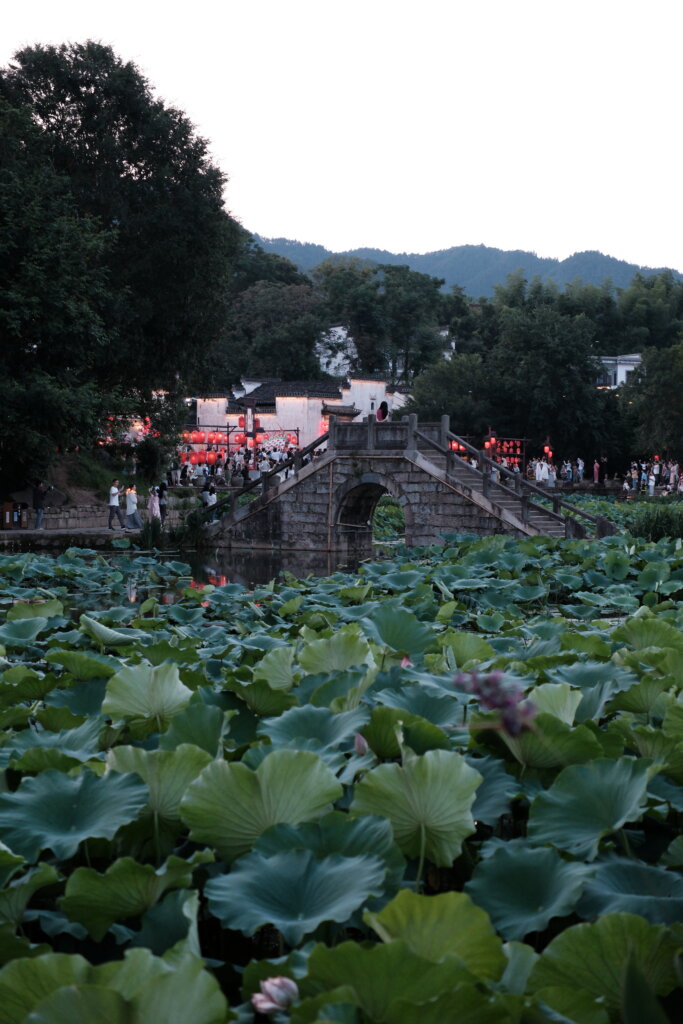
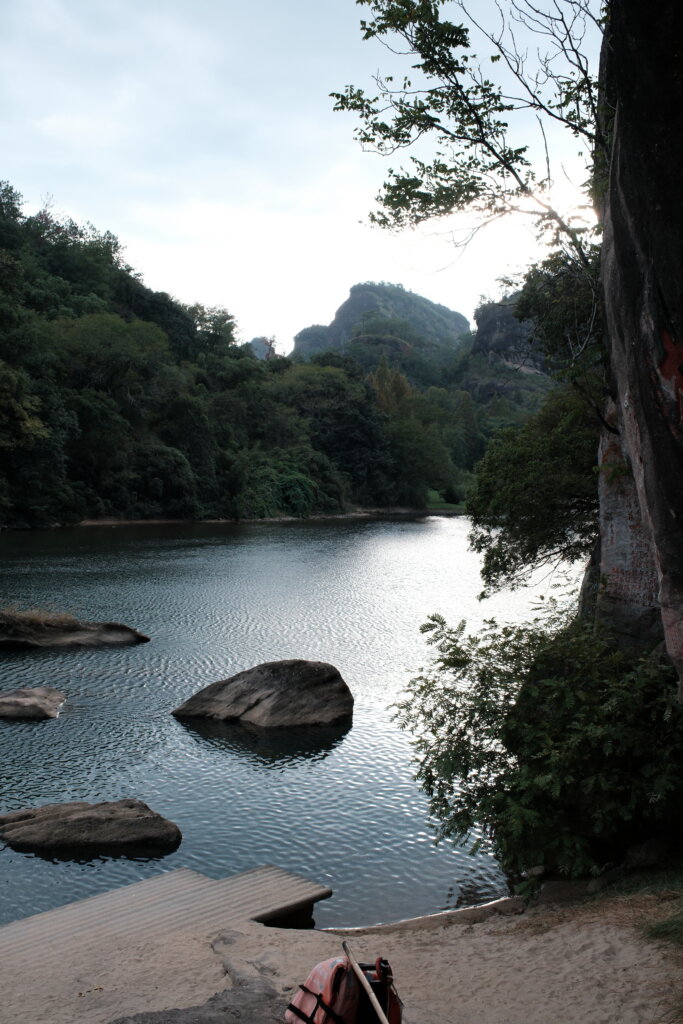

Image Credit: Puyu Retreat
China, Unfolded Slowly
Puyu’s guiding phrase, “China, unfolded slowly,” is a structural commitment — one that shapes every decision about what gets included in a retreat and, more critically, what gets left out.
“Slowness is a constant fight against your own instincts,” Xia and Zheng admit. “You want to give people more, show them more — and you have to actively hold back.” Most China travel is checklist travel: you go, you photograph, you leave. Puyu is after something different.
“You come home with knowledge, with a real connection to the place, with things you’re still thinking about weeks later.”
Puyu currently focuses on Wuyishan and Huangshan, two landscapes of extraordinary resonance. Wuyishan is defined by rock tea and Taoist heritage; Huangshan by Song-dynasty villages and peaks that dissolve into mist. Neither is accidental. The selection criteria are precise: cultural depth, breathing room, and what Xia and Zheng call “the undiscovered layer.”
“We’re not interested in the obvious version of a place,” they say. “We want destinations that have genuine stories beneath the surface — traditions that are still alive, not preserved behind glass.” Puyu caps its retreats at six to eight guests, which means they can book out a famous tea house entirely or arrange access that a larger tour simply couldn’t. The place, as the founders put it, has to be able to hold that kind of experience.
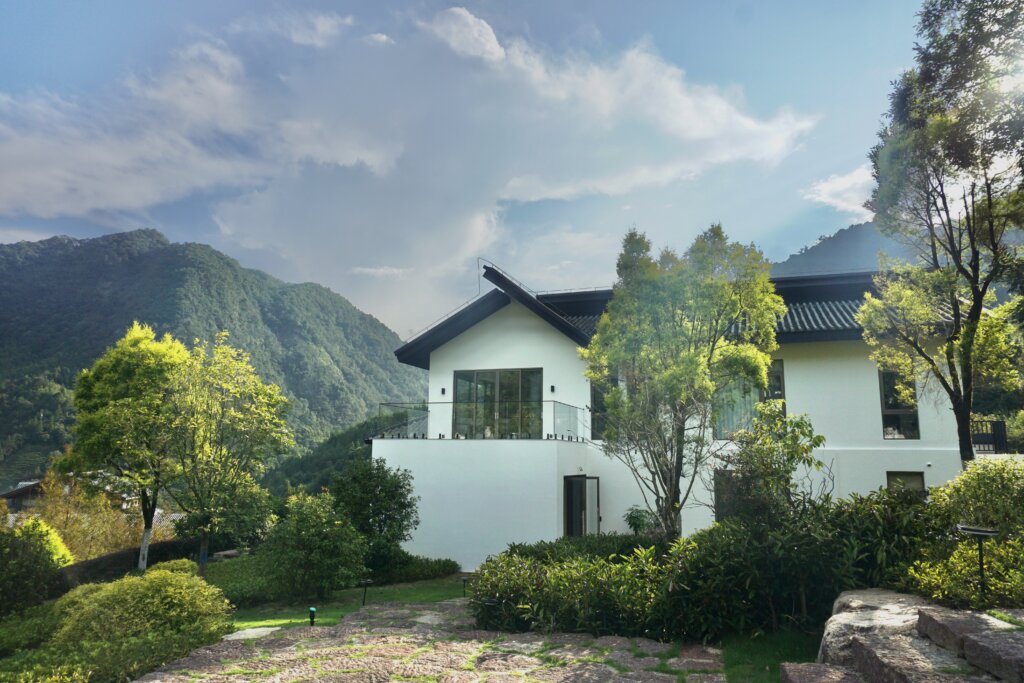
Image Credit: Puyu Retreat
Tea as a Gateway
Of all the entry points Puyu offers into Chinese culture, tea may be the most quietly transformative. In Wuyishan, guests spend real time with a local tea master — not watching a demonstration, but “sitting in the space, drinking from the cups, hearing someone speak about a mountain the way you’d speak about a place you’ve loved your whole life.”
“Tea isn’t just a drink in Chinese culture,” Xia and Zheng explain. “It’s a daily practice, a form of hospitality, a way of reading the seasons, a whole philosophy of attention.” The key to keeping it from becoming performance, they’ve found, is relationship. More and more guests arrive already curious about tea. What consistently surprises them is how deep it goes.
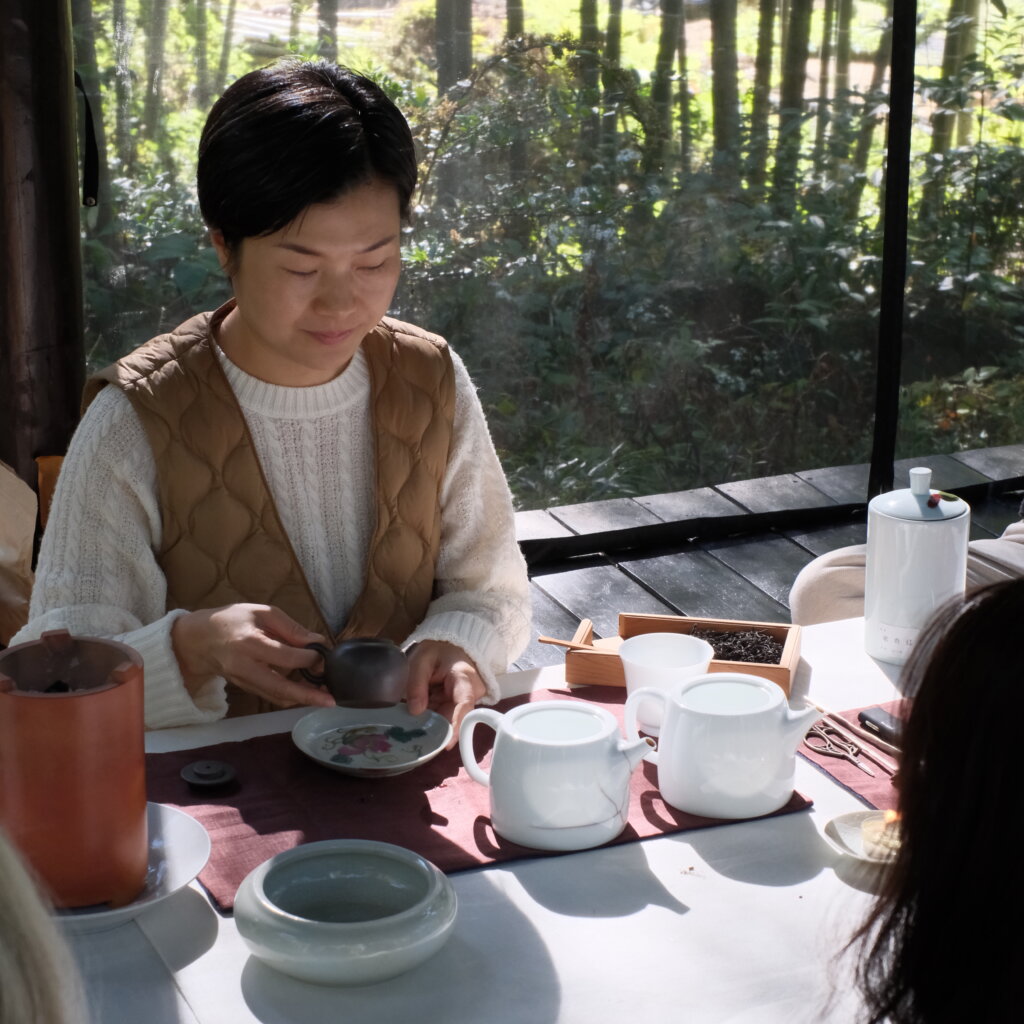
Image Credit: Puyu Retreat
Ancient Medicine as Common Sense
Traditional Chinese Medicine can feel either too clinical or too esoteric for first-time visitors. Xia and Zheng navigate this by meeting people where their daily lives already are. In Wuyishan, guests learn their own body constitution, then make personalized herbal sachets based on what they actually need — hands-on and personal before it is ever theoretical.
In Guangzhou, Puyu’s dedicated TCM immersion takes guests into the city’s daily life: herbal tea shops on street corners, wet market vendors who understand which ingredients support which organ systems. “Once you see that it’s just how people live there,” say Xia and Zheng, “it stops feeling exotic. It starts feeling like common sense that somehow got lost in translation.”
At the Huangshan retreat, nourishment is structural, not incidental. Every meal is designed around TCM principles — the understanding that each ingredient carries a thermal quality, a relationship to different organ systems, and a seasonality.
The question guiding every plate is what your body actually needs right now, given the day you’ve had, the season you’re in, the landscape around you. “It’s not health food,” Xia and Zheng are careful to note. “It’s deeply delicious.” The intention and the pleasure, here, are the same thing.
“In Chinese medicine, food is medicine — that’s not a metaphor, it’s a foundational principle.”
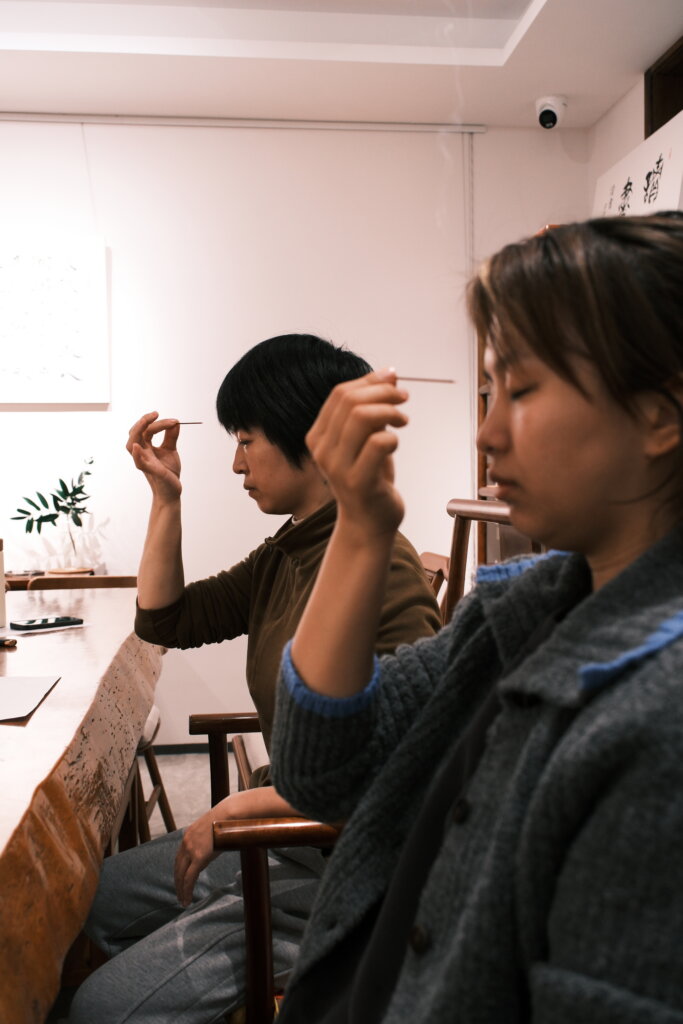


Image Credit: Puyu Retreat
The Long Way Forward
The current roster is only the beginning. Xia and Zheng keep a growing list. Weishan, a quiet Nanzhao kingdom town in Yunnan almost no one visits. Jingmai Mountain, for its ancient tea forests and the living traditions of the Bulang and Dai communities. Quanzhou, a former maritime Silk Road port where Islamic architecture, Hindu temple remnants, and Southern Min folk traditions exist within the same few streets. “That kind of cultural density,” they say, “is exactly what we’re drawn to.”
New formats are also taking shape — among them, combining cultural immersion with yoga, using movement as a lens for understanding Chinese philosophy of the body rather than as a wellness add-on. “The intersection of something familiar to wellness travelers, like yoga, with something they’ve never encountered, like a Quanzhou temple at dawn or a Foshan martial arts lineage — that combination feels really alive to us right now.”
For now, Puyu moves at the speed it prescribes. The founders won’t rush into new destinations until the relationships are right. It is, in the end, a brand that practices exactly what it teaches: the conviction that what you carry home is almost always less about what you saw than about how long you stayed

Pictured: Rania Zheng and Rachel Xia, Founders of Puyu Retreat