Ashley Wilkins on Hospitality, Memory, and Building Spaces That Don’t Shout
The Islyn Studio founder doesn’t design for the photograph. She builds hospitality around what stays with you long after checkout—a philosophy honed in Tokyo alleyways, Oaxacan 250-square-foot dining rooms, and the Hotel Chelsea’s beautifully untamed corridors.
There’s a Frank Lloyd Wright bar in Tokyo where the bartenders notice which hand you use before you do. Notice, too, which snack you favor from the mixed bowl. The refill arrives containing only that one. No ceremony. No announcement. Just care made visible through attention so fine it borders on clairvoyance.
Ashley Wilkins tested this twice, years apart. Both times: flawless. “That level of care feels almost unreal,” she says, “and it’s exactly what I aspire to in design—hospitality that makes you feel seen without ever needing to ask.”
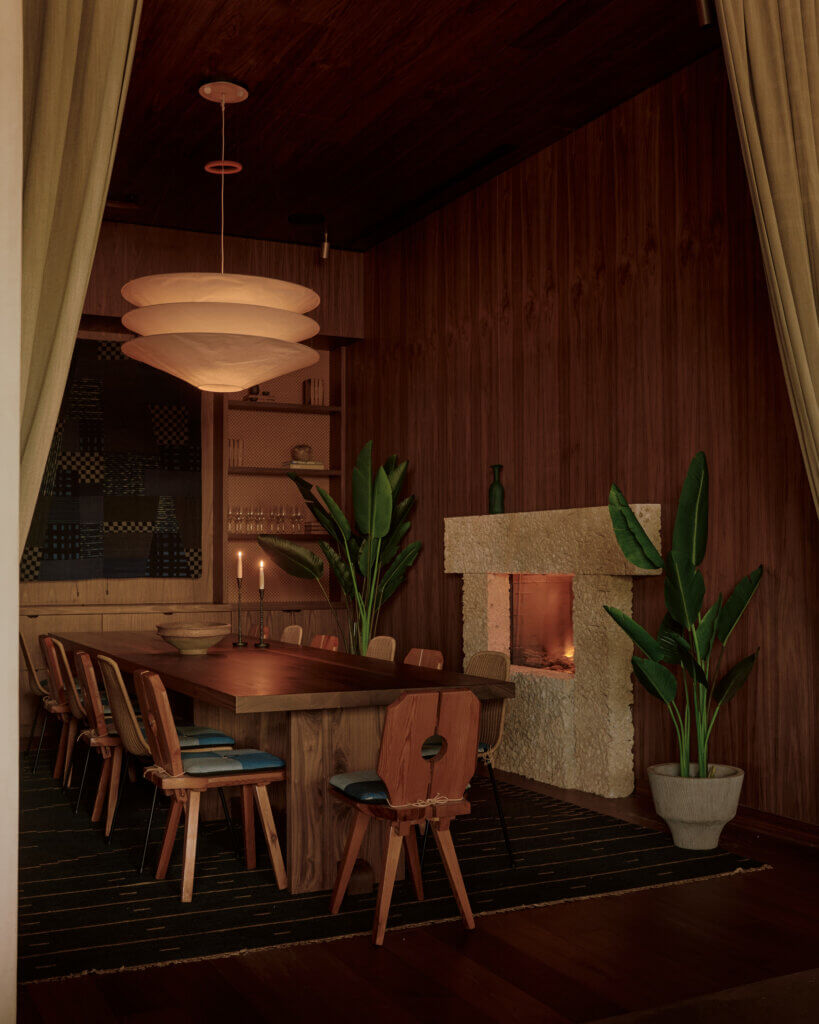
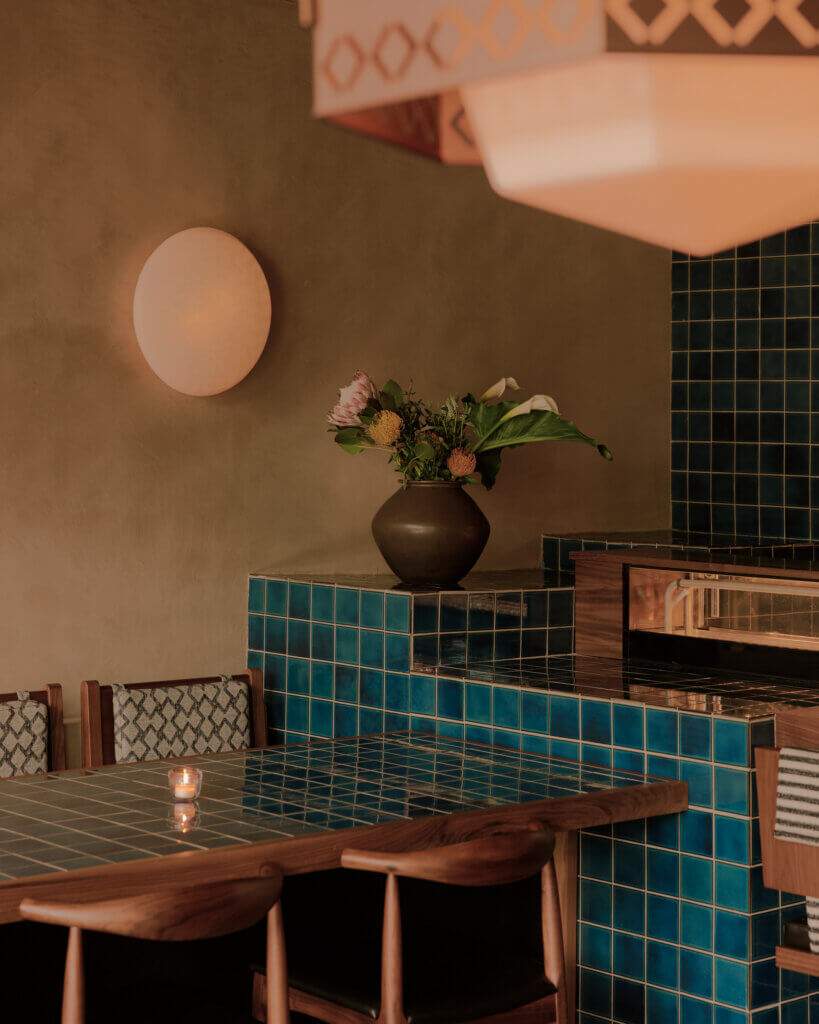
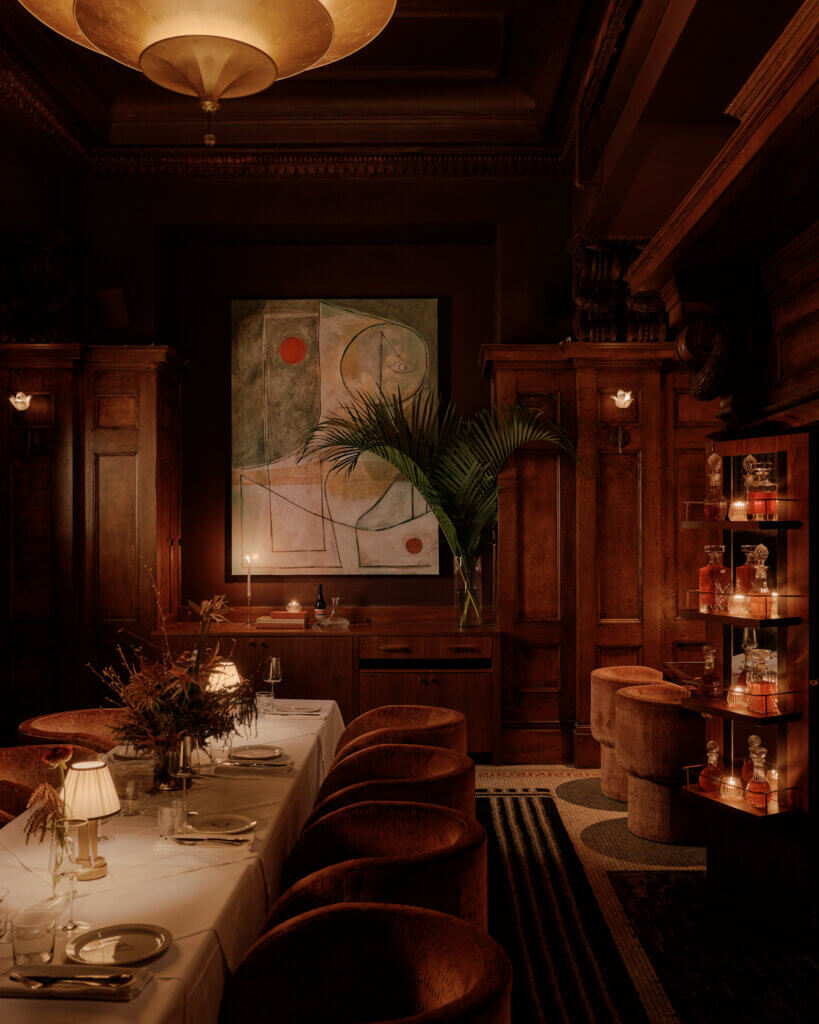
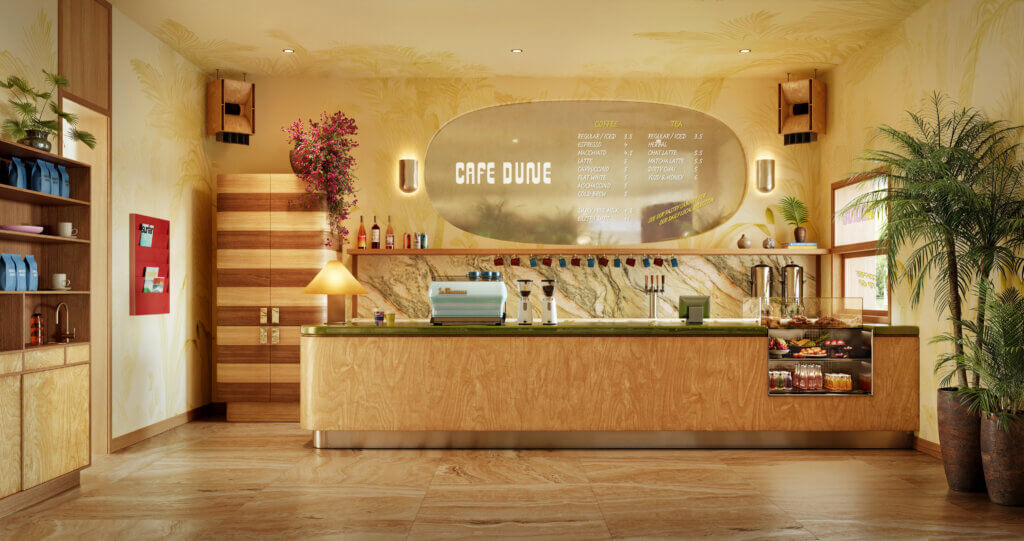
As founder of Islyn Studio, Wilkins has spent the better part of a decade building boutique hotels and restaurants organized around this principle: the invisible moment. Not the viral shot. Not the branded amenity. The thing that lingers—scent, light, an unspoken gesture—long after you’ve checked out and returned to regular life.
Wilkins structures her travel around three rotating imperatives. Appetite: not hunger but curiosity about context, about how a room alters taste, how a scent rewrites memory. “I’m endlessly curious about what’s happening around the world, what people are craving, how a table, a scent, can change the way something tastes.” Destinations selected accordingly: Oaxaca, Vietnam, Tokyo, Copenhagen, Paris. Next up: San Sebastián during totality, food meeting eclipse.
Adventure: deliberate displacement, the necessary shock of somewhere entirely different. “Living in New York offers constant stimulation, so when I leave, I want to be immersed somewhere that feels entirely different—culturally, visually, physically. I want to be reminded that the world is bigger than my routines.”
Leisure: hardest to achieve, requiring the most exacting standards. “To truly rest, the place itself has to feel intentional. It has to support recovery, wellbeing, and a kind of quiet magic. I notice everything—the lighting, the linens, the way you’re greeted, the way the morning unfolds. When it’s done well, it doesn’t just host you, it alters your brain chemistry in the best way possible.”
I want attention on the small details, not the loud ones.
Japan recurs as both destination and design thesis. Shokunin—devotion to craft approaching spiritual practice. Spaces built for centuries, maintained with the same precision applied to their original construction. “There’s also a celebration of imperfection, of quiet beauty, of things that don’t need to shout to be extraordinary.”
In Tokyo: Hoshinoya, Trunk Hotel Yoyogi Park—quiet luxury refusing to announce itself. Outside the capital: former samurai and geisha districts where history occupies the streets like weather. “The patina of wood and metal, inset stone walking paths, moss underfoot, windows that frame nature like art. Everything feels tactile, intentional. People used to build slowly, not for speed or cost, but for beauty.”
Beniya Mukayu, her most recent ryokan stay, organized itself around ma—negative space, strategic emptiness. The property quotes Zhuangzi: “An empty room is filled with light. The emptier a room is, the more light it is filled with.” Ma and wabi-sabi as ethics, not aesthetics. Commitments to peace when overstimulation has become ambient condition.
What separates authentic hospitality from its social media shadow? “An authentic boutique property is one that makes you forget about Instagram entirely. The best places aren’t designed around a backdrop—they’re designed around a feeling.”
Wilkins elaborates: materials that age well, lighting for comfort not photography, details lived-in rather than staged. “The Instagram version is often loud and immediate, built for a single photo. If you leave thinking about the experience instead of the image, that’s when you know it’s real.”
Michelin stars have, she notes diplomatically, occasionally disappointed. The real discoveries congregate in the hungry margins: emerging, singular, personal. She tracks them obsessively—following local chefs, then their follows, tracing fixers behind travel shows. “It’s basically stalking, now that I say it out loud.”
In Kyoto: Tan closed the entire restaurant for her party. Upstairs room overlooking canal and flowering trees, fresh fish beside open hearth, sake brewed from melted snow in the Northern Mountains. Afterward, the waiter walked them to Ueto—a friend’s bar hidden off the canal. Single bud vase. Dark wooden drawers containing ancient spirits. Antique French and Osaka glassware accumulated over a lifetime.
“That’s the magic—one perfect experience opening the door to the next.”
In Oaxaca: Cataran, 250 square feet down an alley. Single unknown chef, open kitchen, strangers seated shoulder to shoulder. Mezcal poured from a water bottle—friend-made, unbuyable. “The best meal of your life. That’s the kind of beauty you never forget.”
The best places aren’t designed around a backdrop—they’re designed around a feeling.
Hotel Chelsea
The property that fundamentally altered her understanding of hospitality: not some pristine resort. The Hotel Chelsea.
“I love it because it refuses to separate itself from its past. It’s deeply rooted in its history, not in a superficial, framed-on-the-wall way, but in a way you can feel. Some of the long-term residents still live there. The layers are real.”
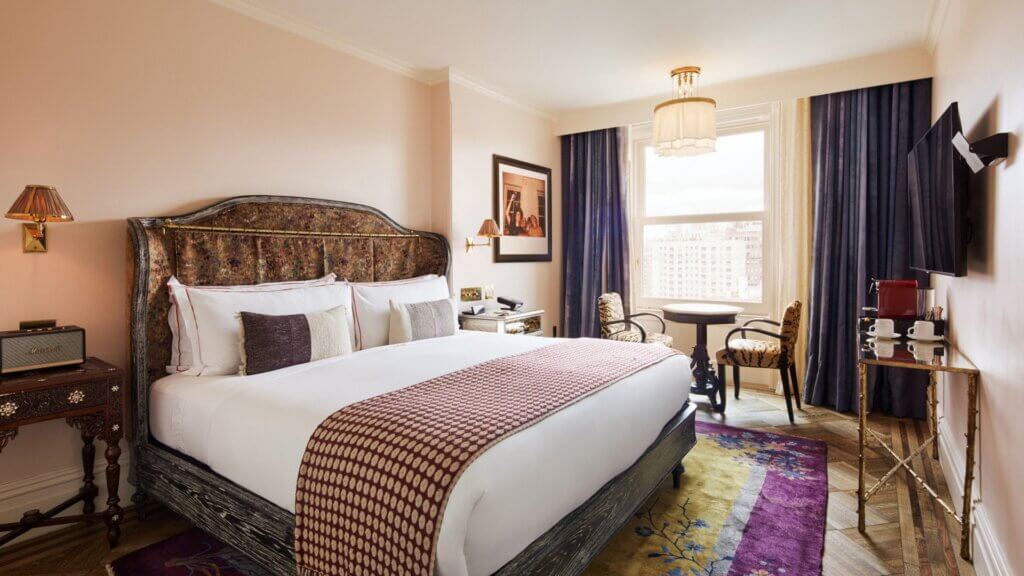
Dylan, Patti Smith, Leonard Cohen, Mapplethorpe, Janis Joplin, Arthur Miller, Warhol’s entire circus. The building held them all. Some say still does. Wrought iron balconies, layered hallways, art-filled interiors—glamorous yes, especially during Fashion Week when it becomes cultural epicenter again, but also gritty, human, possibly haunted.
“What changed my perspective is how it showed me that a hotel doesn’t have to feel polished to be powerful. It can be imperfect, storied, even chaotic, and still be extraordinary. Hospitality, at its best, isn’t just about service. It’s about soul.”
Pictured: Hotel Chelsea (Image Credits: Hotel Chelsea)
Main Character Energy
Her guiding principle, the north star: “I want people to feel like the main character, no matter their economic background. I want them to feel immersed, cared for, included. Like they’ve stepped into a world that was made with intention, where every detail is there to hold them, surprise them, delight them.”
Traveling, she seeks this exact quality—places that see you before you ask, that invite belonging even temporarily. A philosophy built not on trends or aesthetics but on something more fundamental: design, at its best, isn’t about what you see. It’s about what you’ll carry forever.
New York Reset
Clinton Hill: tree-lined quiet, historic brownstones, life moving slower. “Rare balance of old New York charm and a food scene quietly coming into its own.” Proximity to Fort Greene, Prospect Heights, Bed-Stuy—each with distinct rhythm.
But true reset requires Manhattan. “Nothing holds possibility quite like New York. It’s immediate, it’s electric, it asks you to look up.” The Met for quiet grandeur. Hot dog in Central Park. Jazz at the Carlyle, dim and timeless. “Then inevitably, I’ll get lost. I’ll get a little drunk. I’ll end up at a bar next to strangers who won’t be strangers for long.”
She quotes Bourdain: “Eat at a local restaurant tonight. Get the cream sauce. Have a cold pint at four o’clock in a mostly empty bar. Go somewhere you’ve never been. Order the steak rare. Eat an oyster. Have a Negroni. Have two. Be open to a world where you may not understand or agree with the person next to you, but have a drink with them anyway.” These days always refuel her.
COFFEE — La Cabra, East Village. Best cup in the city. Warm cardamom buns like Copenhagen, not Manhattan.
OBJECTS — Dashi Okume, Cibone’ O’Te. Japanese craft and everyday beauty. Rare pantry goods, perfect ceramics, incense, textiles. Intoxicating, slightly unreal. Leaves you inspired and broke.
QUIET — Elizabeth Street Garden, Nolita. Pocket of calm where the city softens. Sculptures, overgrown greenery, sunlight through trees. Secret garden New York forgot to advertise.
WANDERING — Dumbo waterfront. Water Street for that Manhattan Bridge frame. Cobblestones, galleries, Jane’s Carousel between river and skyline. Evening at Pilot, floating sailboat bar. Sunset behind Manhattan. Long Island Bar: bracingly cold martinis, birthplace of the Cosmo.
DINING — Sailor for intimacy and intention. Sunken Harbor Club for tiki as science. Entre Nous for wine devotion and farm-fresh food that tastes impossibly alive. The late Llama Inn, whose raw fish dishes were extraordinary—other locations remain.
Wilkins’s latest project, The Oyster Estate, opens in Greenport, New York, this summer—proving that overlooked American destinations deserve the same craft she’s found in Kyoto and Oaxaca.
Ashley Wilkins. “I want people to feel like the main character.”
We use cookies on this website to analyse your use of our products and services, provide content from third parties and assist with our marketing efforts. Learn more about our use of cookies and available controls: cookie policy. Please be aware that your experience may be disrupted until you accept cookies.